"Mastering Outdoor Wedding Etiquette: Essential Rules for a Perfect Day"
Navigating Outdoor Wedding Rules: A Comprehensive Guide
Planning an outdoor wedding can be an enchanting experience, offering a unique blend of natural beauty and personal touch. However, it also comes with its own set of rules and considerations to ensure a smooth and memorable event. This guide will walk you through the essential outdoor wedding rules, helping you navigate the intricacies of hosting a successful celebration under the open sky.
Understanding Local Regulations
Before diving into the nitty-gritty of planning, it's crucial to familiarize yourself with local regulations and permits. Outdoor weddings often require specific permits, especially if you're planning to use public spaces or have a large guest list. Contact your local city or town hall to understand the rules and obtain any necessary permits.
Noise Restrictions
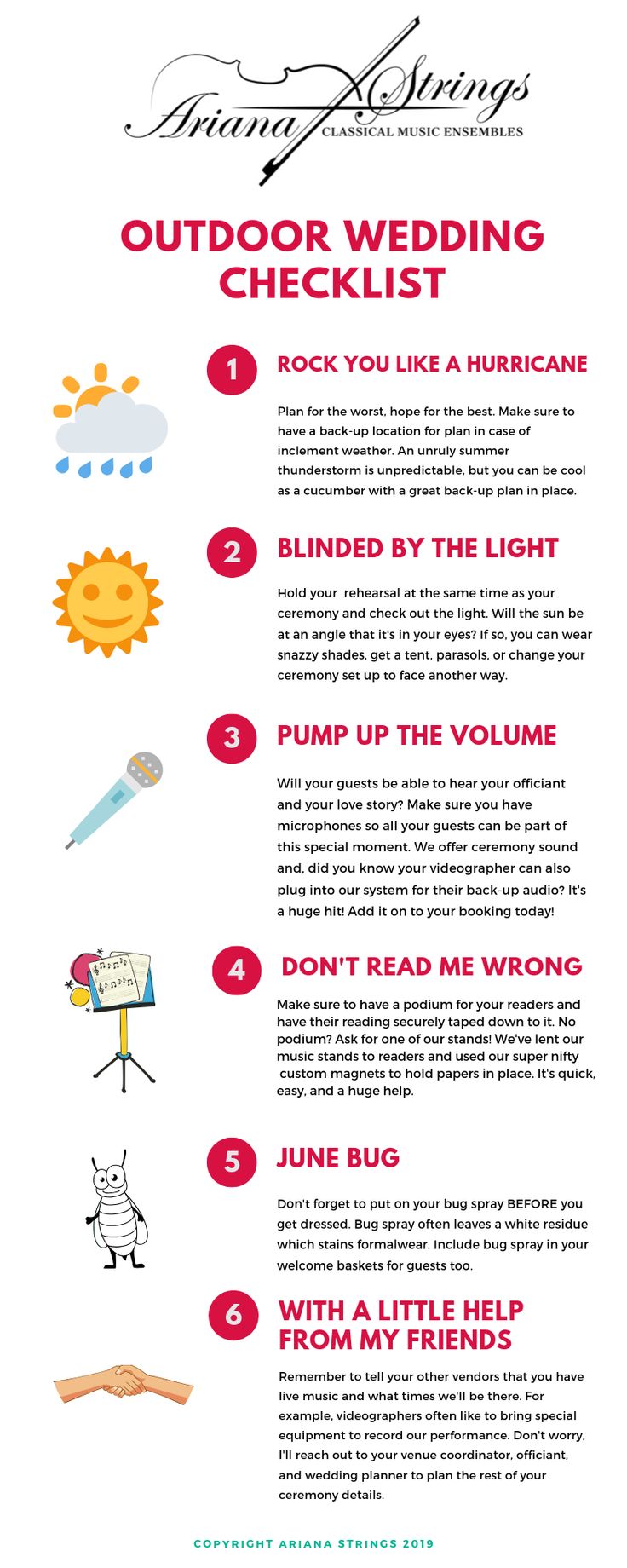
Many areas have noise restrictions, especially in residential neighborhoods. Be mindful of these rules, and consider using amplified music sparingly or opting for acoustic performances to keep the volume in check.


Parking and Accessibility
Ensure that your chosen venue has adequate parking space for your guests. Additionally, consider the accessibility of the venue, especially for elderly or disabled guests. If the venue is not wheelchair-accessible, provide clear information about this on your wedding website or invitations.
Weathering the Elements
One of the primary challenges of an outdoor wedding is the unpredictability of the weather. While you can't control the elements, you can certainly plan for them.


Backup Plan
Always have a backup plan in case of inclement weather. This could be a tent, a nearby indoor space, or even a change of date. Communicate your backup plan with your vendors and key guests to ensure everyone is on the same page.
Weather-Resistant Decor
Choose decor that can withstand the elements. For instance, opt for waterproof or weather-resistant materials for your seating, table settings, and other decorative items. You might also consider providing weather-appropriate accessories for your guests, such as fans for hot days or blankets for chilly evenings.
Safety First
The safety of your guests should always be a top priority. Here are some safety considerations to keep in mind:


First Aid Kit
Ensure that there's a well-stocked first aid kit on hand to treat minor injuries or allergies. You might also consider hiring a medical professional for larger events.
Lighting
Provide adequate lighting to guide guests around the venue, especially if the wedding will extend into the evening. Consider using solar-powered or battery-operated lights to minimize the risk of tripping hazards.
Fire Safety
If you're planning to have open flames, such as candles or a bonfire, ensure that there's a safe way to extinguish them. Always follow local fire safety regulations and obtain any necessary permits.


Catering and Beverages
Outdoor weddings often present unique challenges when it comes to catering and beverages. Here are some tips to keep in mind:
Food Safety
If you're serving food outdoors, ensure that it's kept at safe temperatures to prevent foodborne illnesses. This is especially important in hot weather. Consider using chafing dishes, ice sculptures, or other temperature-controlled serving methods.
Beverage Stations
Set up beverage stations in shaded areas to keep drinks cool and guests comfortable. Consider providing a variety of beverages, including non-alcoholic options, to cater to all tastes and preferences.
Respecting the Venue
Choosing an outdoor venue means you're sharing the space with nature and potentially other guests. Here are some rules to help you respect the venue and its surroundings:
Clean Up
Leave the venue in the same condition you found it, if not better. Assign a cleanup crew to collect trash, remove decorations, and restore the venue to its original state. Consider using biodegradable or compostable products to minimize your environmental impact.
Wildlife and Flora
Be mindful of the local wildlife and flora. Avoid disrupting their habitats and follow any guidelines provided by the venue regarding the protection of the environment. For instance, you might be asked to avoid certain areas or use specific paths to minimize your impact.
Conclusion
Planning an outdoor wedding can be a rewarding experience, offering a unique blend of natural beauty and personal touch. By understanding and adhering to these outdoor wedding rules, you can ensure a memorable and successful celebration that respects the venue and its surroundings while keeping your guests safe and comfortable.
Related Articles

"Mastering Wedding Seating Charts: Essential Rules for Perfect Guest Placement"
Mastering Wedding Seating Charts: A Comprehensive Guide Creating a wedding seating chart can be a daunting task, but it doesn't have to be. With the right...

"Mastering Tuxedo Etiquette: Essential Rules for Wedding Attire"
Mastering Tuxedo Etiquette for Weddings Weddings are elegant affairs that often call for formal attire, with the tuxedo being the quintessential choice for...

"Mastering Black Tie: Wedding Guest Dresses - Etiquette & Rules"
Mastering Black Tie Wedding Guest Dresses: A Comprehensive Guide Attending a black tie wedding as a guest can be an exciting and elegant affair, but it also...

"Mastering Wedding Etiquette: Essential Thank You Tags"
Elevate Your Wedding: The Art of Thank You Tags In the whirlwind of wedding planning, one often overlooked yet profoundly impactful detail is the humble thank...

"Mastering Wedding Invitation Envelope Etiquette: The Perfect Return Address"
When it comes to wedding invitation etiquette, one often overlooked yet crucial aspect is the return address on the envelope. It might seem like a minor...

"Mastering German Wedding Etiquette: The Perfect Dress Code"
Navigating German Wedding Attire: A Comprehensive Guide Attending a German wedding can be an exciting and cultural experience, but it's essential to dress...